A Practical Guide To A Home Charging Routine For An Electric Car Without Overcomplicating It
A practical step-by-step guide to a practical guide to a home charging routine for an electric car without overcomplicating it, including preparation, instructions, common issues, tips, and next steps.
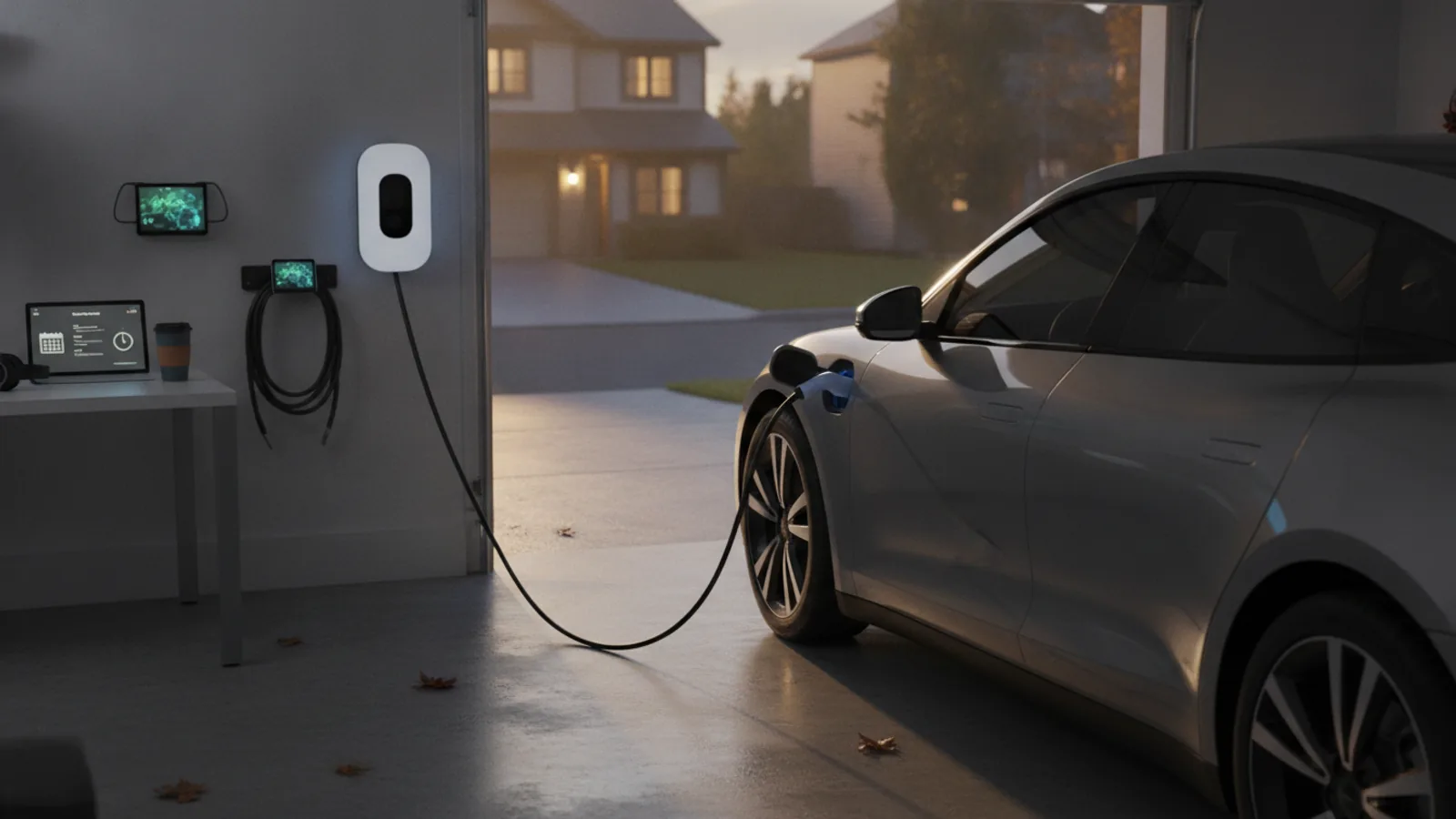
A Practical Guide To A Home Charging Routine For An Electric Car Without Overcomplicating It
This guide provides a simple, practical routine for charging an electric car at home. It covers preparation, a step-by-step process, quick reference tips, common issues, advanced advice, a final checklist, and FAQs. The focus is on consistent habits that keep charging safe, efficient, and stress-free, without overwhelming you with technical details.
Fast Answer
- Set up a dedicated charging spot with a standard outlet or a wall connector as appropriate for your home.
- Plug in your car whenever it is parked at home, even for short periods, to maintain a comfortable state of charge.
Before You Start
- Check your home's electrical panel capacity and consult a licensed electrician to determine if a dedicated circuit is needed for your charger.
- Decide on a charging location that is close to your parking spot and has enough clearance for the cable and connector.
- Choose a charging cable or wall unit that matches your car's connector type and your home's outlet configuration.
- Review your car's owner manual for specific charging guidelines, including recommended charge limits and any special precautions.
Step-by-Step Instructions
Start With a Safe and Convenient Charging Spot
Choose a location that is protected from weather if possible, but if not, ensure the outlet has a weatherproof cover and the cable can be routed safely without being a trip hazard. Ideally, the spot should be within reach of your car's charging port without stretching the cable tightly. Check that the outlet is not shared with other high-power appliances, because a dedicated circuit reduces the risk of overloading. If you are using a portable charger that plugs into a standard outlet, confirm that the wall receptacle is in good condition and not loose. This matters because a poor connection can generate heat and cause damage. Once you have identified the spot, clean the area and make sure there is a clear path for the cable every time you park.
Set a Charging Schedule That Fits Your Life
Most electric car owners plug in whenever the car is at home, but for optimal battery health, you might want to avoid leaving the battery at 100% for long periods. A simple routine is to set your car's charge limit to 80-90% for daily use, and only charge to 100% for long trips. Use your car's built-in schedule feature to start charging at a time when electricity rates are lower if you have time-of-use pricing, but that is optional. More importantly, do not let the battery drop to zero regularly. Instead, try to keep it between 20% and 80% for everyday driving. This habit reduces stress on the battery and can extend its lifespan. To make it easy, write a note near the charging port or set a reminder to plug in when you arrive home, so it becomes second nature.
Master the Connector and Cable Handling
Before plugging in, inspect the connector and the charging port for any dirt, moisture, or damage. Wipe them with a dry cloth if needed. Align the connector properly and push it gently into the port until you hear a click or see a light indicator. Avoid forcing the connector if it does not fit easily; check for obstructions. When unplugging, release any lock or latch first, then pull firmly but steadily. Never yank the cable by the cord. Loosely coil the cable when storing it, but avoid kinks or sharp bends. If your cable gets wet, let it dry before storing. Following these steps prevents damage to the connector and ensures a good connection, which reduces the risk of arcing or overheating. The habit of gentle handling also extends the life of the cable and the charge port.
Monitor the Charging Session and Know When It's Done
After plugging in, check the charging indicator on your car's dashboard or mobile app to confirm that charging is actually happening. Some cars have a light that turns on; others show a message on the display. If you do not see confirmation, double-check that the connector is fully seated and that the outlet has power. For example, test the outlet with a lamp before using it for the car. During charging, you do not need to watch it constantly, but it is wise to glance at the vehicle's status when you walk past. When the battery reaches your set limit, the charging will stop automatically. If you need to unplug before it is done, it is perfectly safe to do so. Understanding the normal behavior of your charging system helps you spot problems early, like a circuit breaker tripping or a charging error.
Develop a Weekly Check and Cleaning Routine
Once a week, take a few minutes to inspect the charging cable, the connector, and the outlet or wall unit. Look for any cracks, frayed wires, burns, or discoloration on the plug pins. Clean the connector contacts with a dry cloth to remove any corrosion or grime. If you have a wall connector, open the cover and check for dust or debris. Also, verify that the outlet is sitting firmly in its box and not loose. You can use a voltage tester to check for proper voltage if you have one, but always follow safe practices. This weekly check is crucial because it catches wear and tear before it becomes a serious problem. A damaged cable or outlet is a fire hazard, and routine inspection is the best way to prevent accidents.
Adapt Your Routine for Seasonal Changes
In very hot or cold weather, your car's battery may charge slower or require more energy to condition it. In winter, you might want to set the cabin heater to use wall power while charging, but that is a car feature. For the charging routine itself, simply plug in more often in extreme temperatures to keep the battery in a comfortable zone. Also, be aware that in freezing rain, the charge port might freeze shut; gently warm it with a hair dryer on a low setting, or use a de-icer sparingly. If you park outside, try to avoid letting snow pile up on the charging cable. In summer, avoid charging when the battery is very hot from driving; give it a few minutes to cool down. These seasonal adjustments are not complex but they make a big difference in reliability.
Quick Reference
| Situation | Action | Why it helps |
|---|---|---|
| You come home and the battery is at 50%. | Plug in immediately using your normal charging equipment, and set the charge limit to 80% or your daily limit. | Keeping the battery in a moderate range reduces stress and ensures you always have enough range for unexpected trips. |
| The charger shows an error light when you plug in. | Unplug the connector, inspect both the port and the connector for debris, wipe them dry, and try again. If it persists, try a different outlet to isolate the issue. | Clean connectors ensure a proper electrical connection, and testing another outlet confirms whether the problem is with the cable or the circuit. |
| You need to leave early and the car is not fully charged. | Plug in and start charging immediately if there is any time, and consider setting the charge limit to a higher percentage for that day, like 90%. | Even a brief charge adds meaningful range, and a slightly higher limit gives you a buffer without waiting for a full charge. |
Common Issues
- Charging stops intermittently.: Check the cable for sharp bends and ensure the connector is fully seated. Also, verify that the outlet is snugly holding the plug. If it continues, test the charger with a different outlet and inspect the house circuit breaker.
- The charging cable feels warm to the touch.: A mild warmth is normal, but if it is hot, disconnect it and let it cool. Inspect the plug and outlet for signs of heat damage, and avoid coiling the cable tightly while it is in use. If warmth persists, have a professional inspect the wiring.
- The charge port cover or plug is stuck in icy weather.: Do not force it. Use a hair dryer on a low heat setting to gently warm the area, or apply a commercial de-icer spray that is safe for electronics. Once open, wipe the inside dry before connecting.
Advanced Tips
- Use your car's scheduled departure feature to have the battery pre-conditioned and charging finished right before you leave, which saves energy and time.
- If you have rooftop solar, consider charging during peak sun hours to use your own clean electricity, but check with your utility about net metering policies.
- Perform a deep discharge and full charge once a month? Actually, most modern EVs do not need this; simply follow the owner's manual recommendations, but you can occasionally equalize the battery with a full charge if the manual suggests it.
Final Checklist
- I have chosen a dedicated charging spot that is safe and convenient.
- I have reviewed my owner's manual and set the daily charge limit appropriately.
- I have inspected the charging cable for any damage or wear today.
- I have a habit of plugging in whenever I am at home, even for short stops.
FAQ
Is it better to charge slowly or quickly at home?
For daily use, standard 120V or 240V slow charging is ideal for battery health and to avoid stressing your home's electrical system. Fast charging is best reserved for road trips when you need quick top-ups. A simple rule is to use the slowest charger that fits your routine, which is usually what you have installed at home.
Can I charge my electric car in the rain?
Yes, charging in light rain is safe because the connectors are designed to be weather-resistant. However, it is always wise to keep the connection area free of standing water and to use a weatherproof cover if your outlet is outdoors. If you have any doubts, keep the charging plug and port dry before plugging in.
What should I do if I accidentally unplug the charger before it is done?
Nothing special is required. Just plug it back in if you want to resume charging. Unplugging early does not harm the car or the battery. The charging system simply stops and you can disconnect safely. If you unplug often, you might want to adjust your routine to plug in earlier or set a reminder.